Nonprofits in Western North Carolina carried a huge share of the work after Hurricane Helene. By August 2025, the Community Foundation of Western North Carolina alone had distributed more than $38 million through its Emergency and Disaster Response Fund. Much of it went to local organizations doing recovery work. Behind every one of those grants were applications, reports and thank-you letters written by small, stretched teams. AI for nonprofits can give some of that time back, as long as you protect the people your organization serves.
This guide covers where AI helps nonprofits most and the discounts available on AI tools. It also covers what funders expect and how to keep donor and client information safe.
Where AI for nonprofits helps most
- Grant writing. Researching funders, organizing your program information, tailoring a proposal to a funder’s priorities and tightening the final draft.
- Grant reporting. Turning program data and staff notes into a clear report on outcomes.
- Donor communications. Thank-you letters, newsletters and year-end appeals that sound like your organization.
- Program data. Summarizing survey comments and spotting patterns in outcomes.
- Volunteer coordination. Schedules, onboarding guides and answers to common questions.
- Board work. Meeting summaries, agendas and board packet drafts.
- Translation. Spanish-language materials and other translations, checked by a fluent speaker before they go out.
Discounts on AI tools for nonprofits
Most major AI providers now offer nonprofit pricing. Start with the one that fits the tools you already use:
| Tool | Nonprofit offer |
|---|---|
| Google Workspace | The no-cost Workspace for Nonprofits edition includes the Gemini app. Advanced editions are discounted up to 75%. |
| Microsoft 365 | Microsoft ended its free Business Premium grant in July 2025 but still donates Business Basic for up to 300 users. Paid plans have nonprofit pricing. |
| ChatGPT | OpenAI says nonprofits can get up to 75% off ChatGPT Business or Enterprise through its sales team. |
| Claude | Anthropic offers up to 75% off Claude Team and Enterprise plans, plus connectors for Blackbaud, Candid and Benevity. |
If your organization runs on Google Workspace, the free edition is the easiest way to start. If you’re on Microsoft 365, check what’s included in your current licenses before buying anything new. Eligibility rules and prices change, so confirm the current terms with each provider.
Grant writing with AI: what funders expect
For nonprofits, AI is a good writing partner for grants, but funders care about accuracy and originality. Some are setting rules. NIH, for example, says it won’t consider applications substantially developed by AI to be the applicant’s original ideas. That policy started with its September 25, 2025 receipt date. Most foundations haven’t gone that far, but more of them ask about AI use.
A practical approach:
- Read each funder’s guidelines for anything about AI, and follow them.
- Use AI to organize, tailor and edit, not to invent your program. Your staff supplies the facts, outcomes and stories.
- Check every number. AI tools make up statistics and citations that sound convincing. If a figure didn’t come from your own records or a source you can name, take it out.
- Be honest if you’re asked. Saying you used AI to edit and organize your proposal is a normal answer now.
Protect donor and client information
Nonprofits often hold sensitive information: donor giving histories, case notes, health details, information about children, and immigration or housing status. Keep that out of general AI tools.
- Use a business or nonprofit plan with admin controls, not personal accounts. Our guide on whether ChatGPT is safe for business data explains why the plan matters.
- Keep client records out entirely unless a tool has been approved for that data in writing.
- Get consent before telling a client’s story, even if AI rewrites it to remove names. Details can still identify someone in a small mountain community.
- Know your breach obligations. North Carolina’s Identity Theft Protection Act requires notice to affected people and the NC Attorney General after certain breaches.
Bring your board along
AI for nonprofits works best when the board has agreed to the rules. A one-page policy, approved by the board, answers the questions staff and volunteers are guessing at. It says which tools are approved, what data can go in, and who reviews what goes out. Our AI use policy template is a good starting point. The North Carolina Center for Nonprofits also has a members-only guide, Artificial Intelligence (AI) and You, on getting started ethically.
A 30-day start for a small nonprofit
- Week 1: Choose your AI tool through a nonprofit program, and get your AI policy approved.
- Week 2: Pick one task, like donor thank-you letters or a grant report you write every quarter.
- Week 3: Train the people who’ll use it. Anthropic’s free AI Fluency for Nonprofits course covers grant writing and donor engagement. It doesn’t require a technical background.
- Week 4: Measure and decide. Compare the time spent with how it used to go, and choose the next task.
Our 30-day plan to start using AI has more detail on each step. If you have a larger staff and many volunteers, our AI rollout plan covers how to bring everyone along.
Getting help in Asheville and Western North Carolina
Good People Technologies helps with AI implementation for small businesses and organizations in Asheville, Western North Carolina and across the state. For nonprofits, AI implementation often means setting up nonprofit licenses correctly and connecting donor and accounting systems. It can also mean writing a policy the board is comfortable with. Our guide on how to choose an AI consultant covers what to ask any outside help. To talk it through, start with a free 15-minute operations and technology audit.
Frequently asked questions
Is it ethical for nonprofits to use AI for fundraising?
Yes, when it’s used honestly. Using AI to draft and edit is like using any writing tool. The ethical lines are the same as always: don’t exaggerate impact, don’t invent stories, and respect the privacy of the people you serve.
Can AI write our grant proposals?
It can help draft, organize and edit them. Check each funder’s rules first, since some, like NIH, won’t accept applications substantially developed by AI. The facts, outcomes and voice should come from your team.
What’s the cheapest way for a small nonprofit to start with AI?
If you qualify for Google Workspace for Nonprofits, the free edition includes the Gemini app. Microsoft still donates Business Basic to eligible nonprofits. OpenAI and Anthropic offer nonprofit discounts on their business plans.
How do we protect client privacy when using AI?
Keep client records and case notes out of general AI tools, use plans with admin controls, and get consent before using anyone’s story. Put those rules in a board-approved policy so everyone follows the same ones.
Sources, checked November 2026: the Community Foundation of Western North Carolina, Google for Nonprofits, Withum on Microsoft nonprofit licensing, OpenAI for Nonprofits, Anthropic’s Claude for Nonprofits, NIH notice NOT-OD-25-132 and the NC Center for Nonprofits.
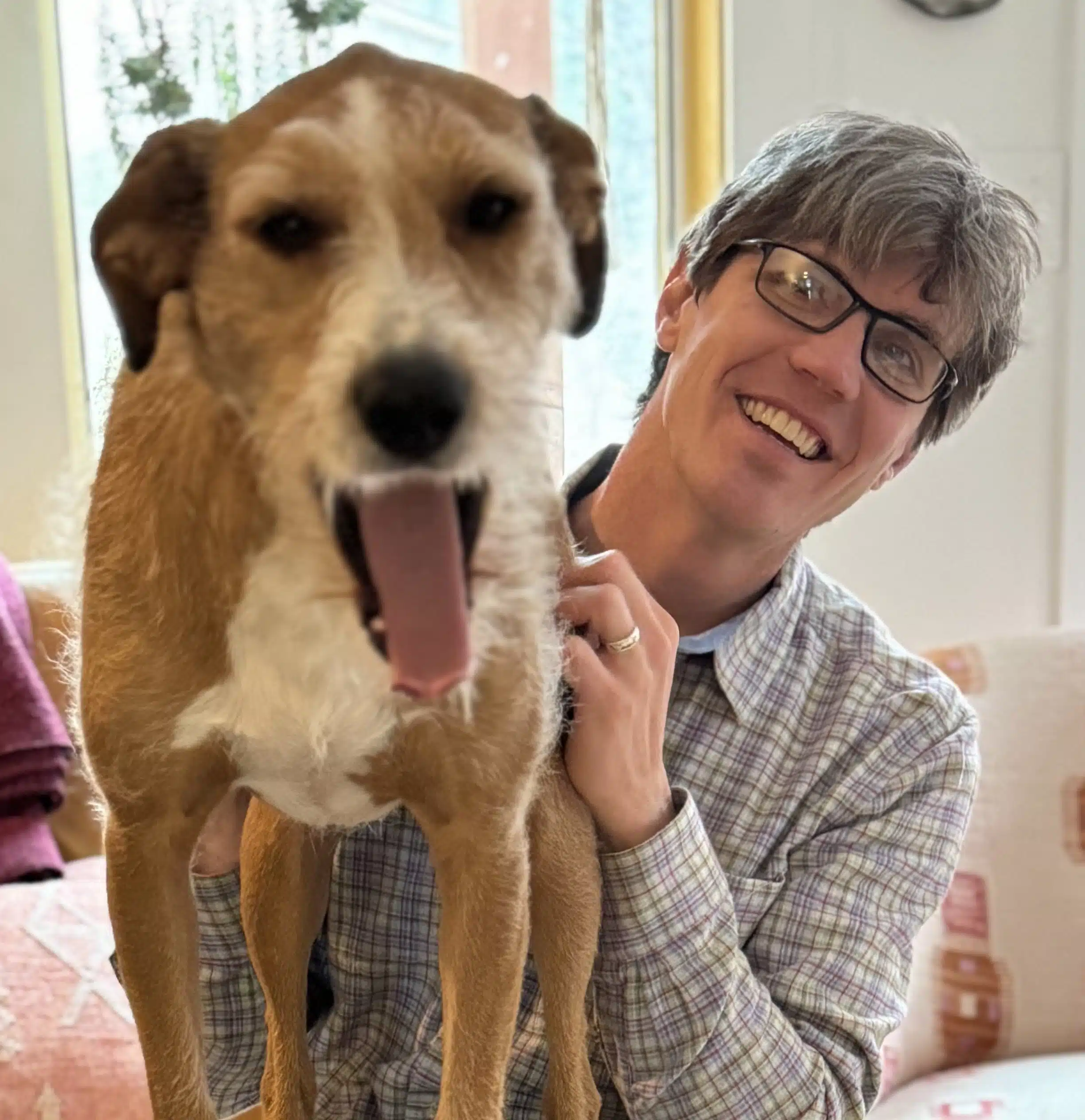
Hi, I’m Benji, founder and CTO of Good People Technologies in Asheville, NC. We help small and mid-sized businesses put AI to work safely and connect it to the systems they already run, from QuickBooks to NetSuite.
For over a decade, we’ve helped businesses solve complex operations and technology problems. When not working, I’m hiking or enjoying rivers in western North Carolina with my wife and two dogs.